
High-Risk Industries We Serve
Canna Merchant Accounts sets up payment processing, funding, and banking introductions for businesses most processors decline: dispensaries, CBD brands, intoxicating hemp sellers, smoke, vape and wellness shops, kratom stores, and kava bars. Each industry gets underwritten on its own rules, so pick yours below to see what approval requires and which payment options fit.

Mainstream processors run a single risk model across every merchant. If your products touch cannabis, hemp, nicotine, or kratom, that model flags you, and the account either never opens or gets closed after the first review. Canna Merchant Accounts, a division of Green Financial, has spent 9+ years working the other side of that problem. We match each merchant to an acquirer that already accepts its product category, and we prepare the file the way that acquirer’s underwriters expect to see it.
Industries we serve
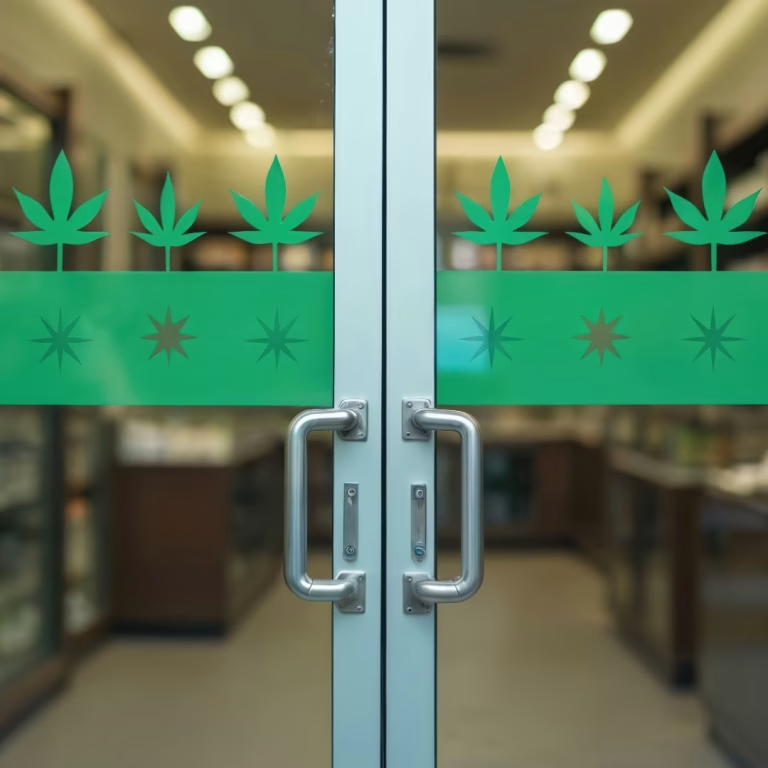
Dispensary payment processing
Visa and Mastercard do not allow marijuana sales on their networks. Licensed dispensaries run on cash, PIN debit, cashless ATM, and ACH or pay-by-bank. We help you set those up without miscoded transactions that put the account at risk.
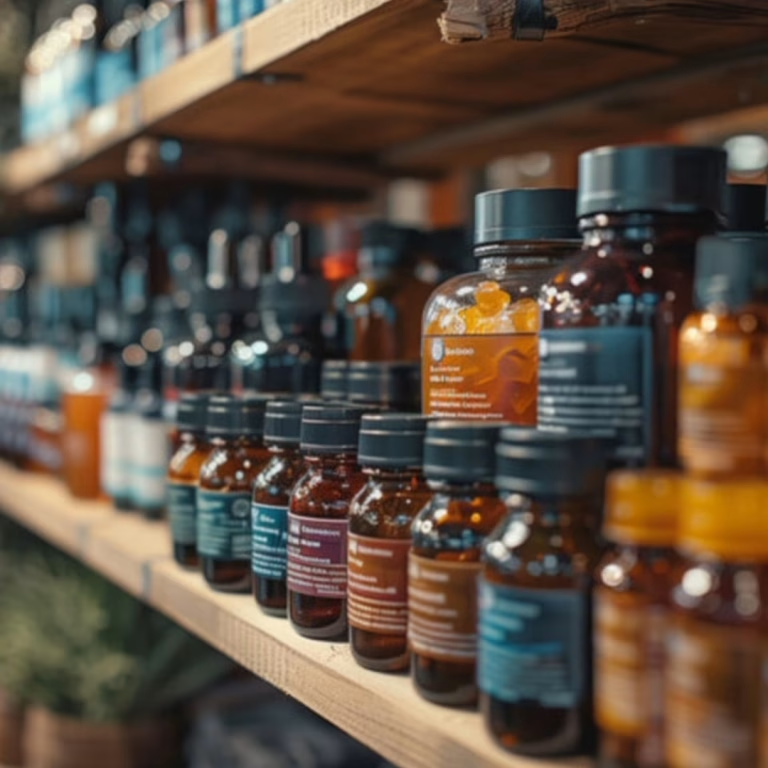
CBD merchant accounts
Hemp-derived CBD can be card-processed through high-risk acquirers. Approval depends on your COAs, product list, and labels and website claims that stay clear of disease language.
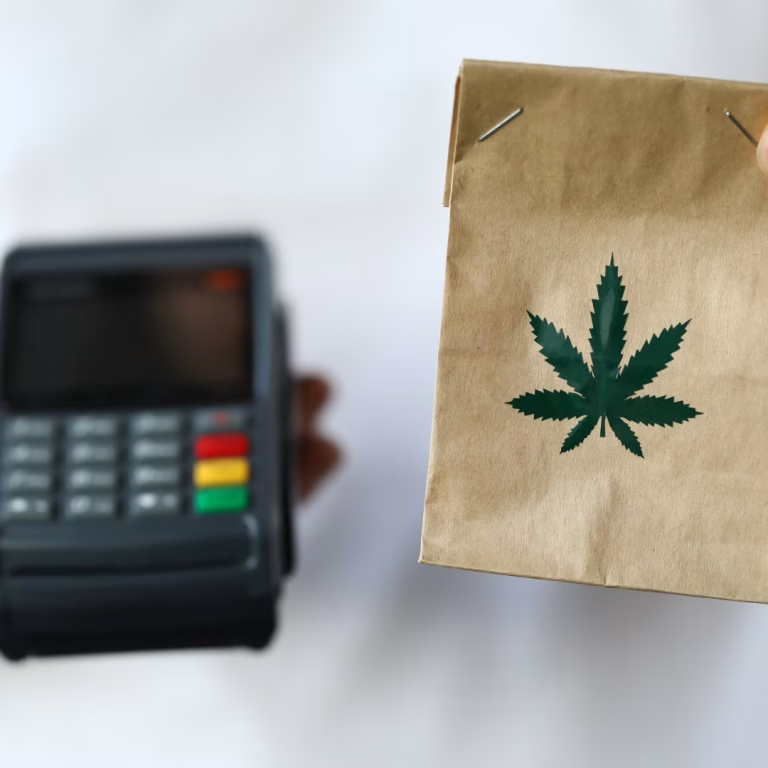
Delta-8, THCa and hemp THC payment processing
The federal hemp redefinition phases in on Nov 12 and Dec 11, 2026. Acquirer appetite for intoxicating hemp is narrow, and full product disclosure is mandatory.
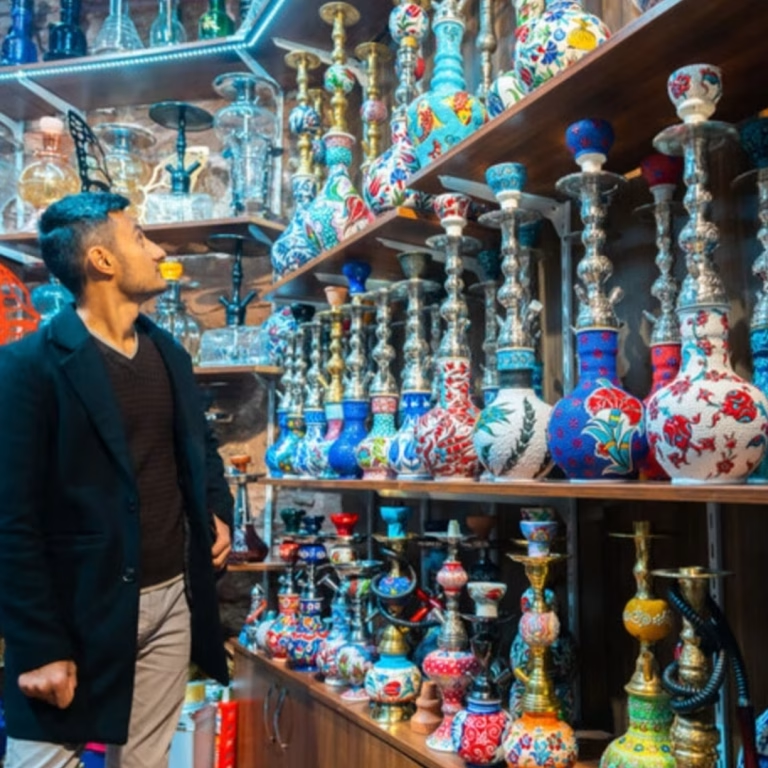
Smoke shop and head shop merchant accounts
Retail and online accounts for smoke shops, head and glass shops, and hookah retail, including stores that carry hemp, CBD or kratom alongside tobacco accessories.
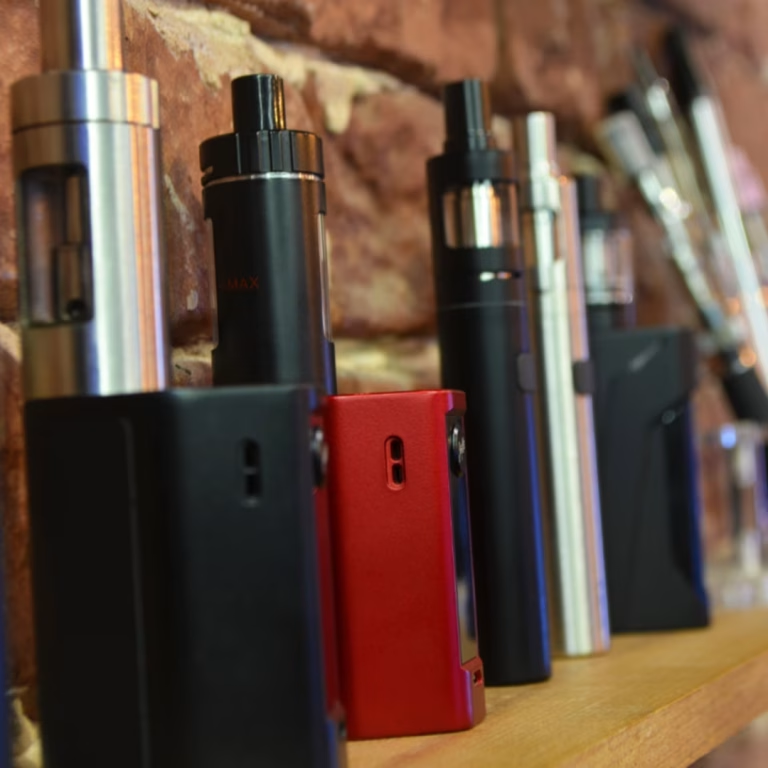
Vape shop merchant accounts
Retail and online accounts for nicotine vapes, e-liquid and hardware, set up for PACT Act age verification and delivery rules.
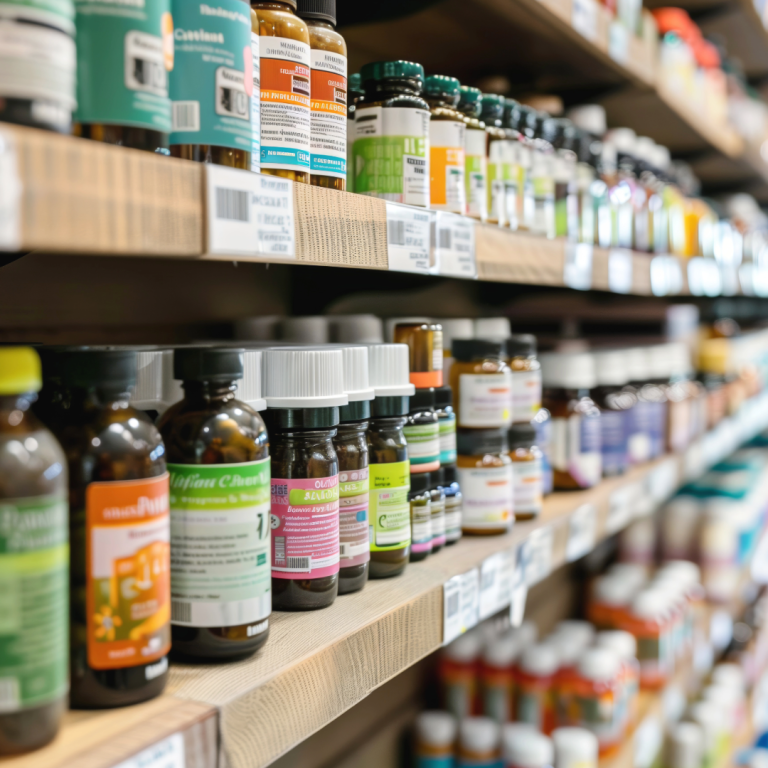
Wellness shop and supplement merchant accounts
Supplements, functional mushrooms and herbal products, including auto-ship programs and shops that also carry CBD, kava or kratom.
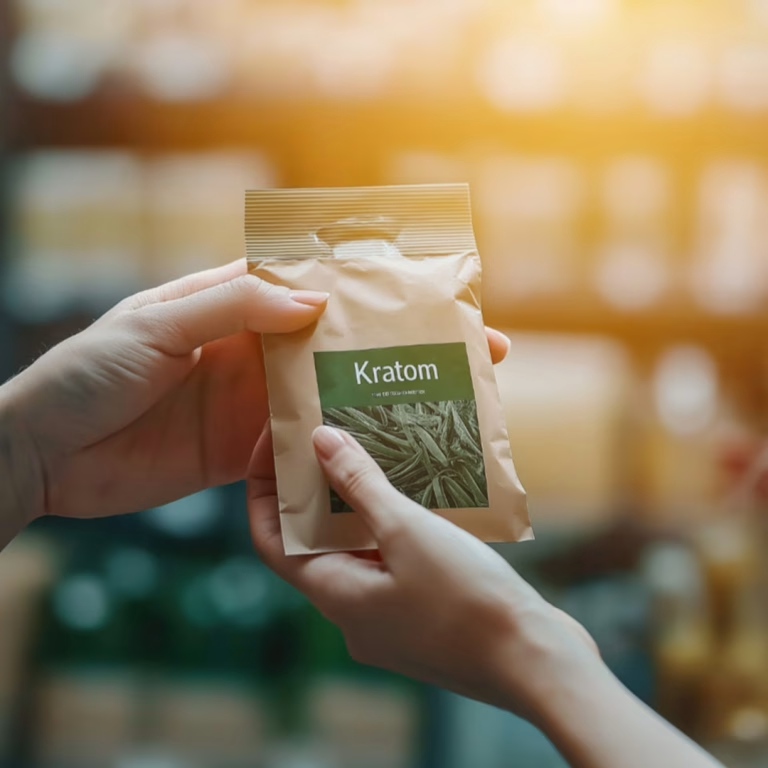
Kratom merchant accounts
Natural leaf kratom is not federally controlled, but DEA scheduling actions on kratom alkaloids in 2026 and a patchwork of state bans make product review the core of underwriting.
Kava bar payment processing
Kava is federally legal and sold as a food or beverage. Kava bars usually board more easily than kratom sellers, unless they carry kratom too. We set up retail POS, mobile readers, and ecommerce gateways.
Why these industries get labeled high risk
A processor’s risk team is asking one question: what are the odds this account costs us money or puts us in front of a regulator or card network? Four factors push these industries into the high-risk bucket.
Federal status. Marijuana remains federally illegal for adult use, and medical marijuana moved to Schedule III only on April 23, 2026. Rescheduling does not legalize it or change a bank’s anti-money-laundering duties. Hemp and kratom are legal at the federal level but sit close enough to controlled substances that one product change can move a merchant across the line.
Chargebacks. Online sales of consumable products draw “item not as described” and “not authorized” disputes. Card networks monitor dispute ratios by merchant, and acquirers carry the liability when a merchant cannot cover refunds.
Regulatory churn. The rules change often. The federal hemp definition has two effective dates in late 2026, the DEA has issued temporary scheduling orders for kratom compounds this year, and states pass their own bans and age limits on separate schedules. An acquirer has to re-check its portfolio every time.
Reputational risk. Some banks decline entire categories regardless of the individual merchant’s compliance. That shrinks the pool of acquirers willing to board these accounts and gives the ones that remain more leverage on pricing, reserves, and terms.
How we underwrite by industry
Industry-first underwriting means we start with what you sell, then pick the acquirer, then build the application. Generic high-risk shops do it the other way around and submit you wherever they have a contract, which is how merchants end up approved and then terminated at the first portfolio review.
For each vertical we know which documents the acquirer wants up front. That usually includes a full product list, certificates of analysis, state licenses where they apply, prior processing statements, and a website that matches what you actually sell. We review your site and labels before submission and flag anything that would trigger a decline, such as health claims, missing age gates, or products the acquirer does not allow. You get one point of contact for payments and for business funding, and we can introduce you to cannabis-friendly partner banks through our business banking program.
To get started, use the payment processing application.
Frequently asked questions
What makes a business high risk for payment processing?
Processors label a business high risk when its products carry legal uncertainty, elevated chargeback rates, frequent regulatory changes, or reputational concerns for the bank. Cannabis, CBD, hemp THC, vape, kratom, and kava businesses usually meet one or more of those tests.
Can a high-risk business get a merchant account?
Yes, if the business is legal where it operates and the application is placed with an acquirer that accepts its product category. Canna Merchant Accounts reports high approval rates for legal businesses because we match each merchant to the right acquirer before applying.
Do dispensaries and CBD stores use the same processing setup?
No. Hemp-derived CBD can usually run on Visa and Mastercard through a high-risk acquirer. Marijuana dispensaries cannot use those card networks for marijuana sales, so they rely on cash, PIN debit, cashless ATM, and ACH options.
What documents do I need to apply for a high-risk merchant account?
Expect to provide a government ID, business formation documents, a voided check or bank letter, recent processing statements if you have them, a full product list, certificates of analysis for consumable products, and any required state licenses.
Does Canna Merchant Accounts offer bank accounts?
We do not open bank accounts directly. We connect merchants with cannabis-friendly partner banks and handle the initial vetting and documentation coordination.
Find out which acquirer fits your business
Tell us what you sell and how you sell it. We will tell you plainly what is possible and what it will take.