
Kratom Merchant Accounts
Kratom stores and online kratom brands can accept credit and debit cards through a high-risk merchant account, as long as the products are legal where they are sold and shipped and the processor sees the full product list. Natural leaf kratom is not federally controlled, but several kratom alkaloids were placed in Schedule I on August 26, 2026 and 7-OH scheduling is pending, so underwriters now review exactly which kratom products you carry.
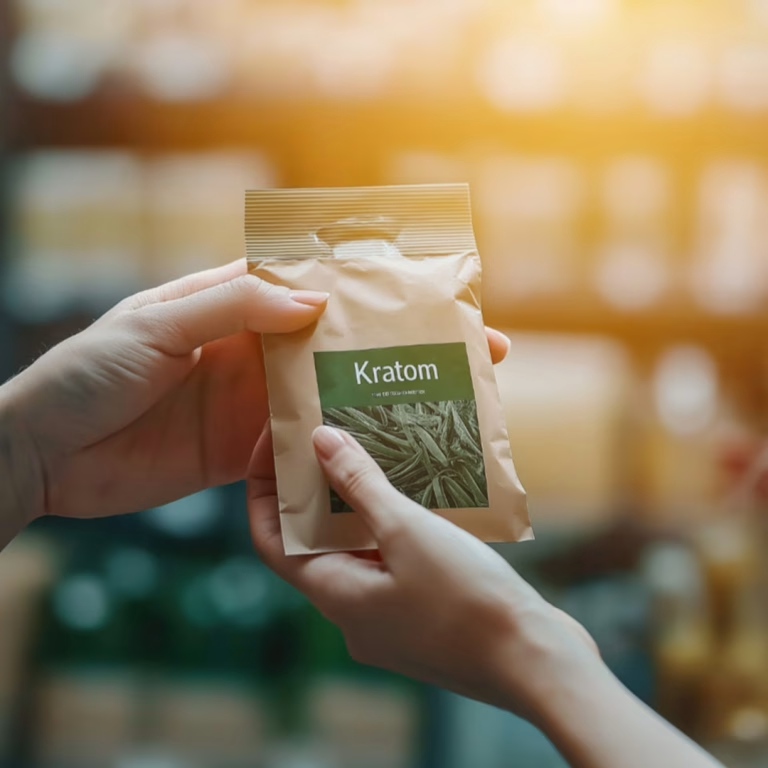
This page is part of our high-risk industries we serve. It covers kratom retail stores, online kratom brands, wholesalers, and smoke shops and kava bars that carry kratom alongside other products.
Where kratom stands federally as of October 2026
The federal picture changed in 2026, and processors are reacting to it. Here is what is in effect and what is pending.
| Substance | Federal status | Detail |
|---|---|---|
| Natural leaf kratom (mitragynine) | Not federally controlled | State and local bans and regulations still apply. |
| Mitragynine pseudoindoxyl (MP) | Schedule I (temporary order) | Effective August 26, 2026, Docket DEA-1644. |
| MGM-15 and MGM-16 | Schedule I (temporary order) | Effective August 26, 2026, Docket DEA-1644. |
| 7-hydroxymitragynine (7-OH) | Temporary scheduling pending | Notice of intent published July 6, 2026 (Docket DEA-1570). On October 9, 2026, DOJ announced DEA will reissue it with new HHS thresholds: over 1 mg/g (solids) or 1 mg/mL (liquids) of 7-OH, MP, or both combined, or a mitragynine ratio below 100 to 1. |
Practically, this means anything sold as MP, MGM-15 or MGM-16 is a Schedule I product today and cannot be processed. Concentrated 7-OH tablets, shots and extracts are on notice. Under the revised proposal, any product over 1 mg per gram (or 1 mg per mL) of 7-OH and MP combined, or with a mitragynine-to-7-OH ratio below 100 to 1, would be controlled. That makes COAs reporting mitragynine, 7-OH and MP essential for leaf and powder products too. Our post on 7-OH scheduling and what it means for merchants tracks the details.
Remove any MP, MGM-15 or MGM-16 products from your shelves and site before you apply. If you carry concentrated 7-OH products, tell us. An application that lists them gets a straight answer. One that hides them gets terminated later.
State and local kratom bans
Federal status is only half of it. Kratom is banned statewide in Alabama, Indiana, Vermont and Wisconsin, and Connecticut added it to its controlled substance schedules in 2026. Some cities and counties ban it where the state does not, and a number of states regulate it through age limits, labeling and registration rules. Some states have also moved against 7-OH on their own: Colorado and Mississippi ban concentrated or synthetic 7-OH while natural leaf can still be sold.
For a store, the question is whether kratom is legal at your address. For an online seller, it is every address you ship to. Underwriters will ask how your checkout blocks orders to banned states and localities, and they will test it.
Who this page is for
Kratom retail stores
Dedicated kratom shops selling leaf, powder, capsules and beverages in store.
Online kratom brands
Ecommerce sellers that need a gateway on Shopify, WooCommerce or another platform with state shipping restrictions built in.
Wholesalers and distributors
B2B sellers who need ACH, eCheck and invoice-based payments along with card processing.
Mixed retailers
Smoke shops, wellness stores and kava bars that carry kratom as part of a wider product mix. See our smoke shop merchant account, wellness shop merchant account and kava bar payment processing pages.
What underwriters look for
- Business formation documents, owner IDs, and beneficial ownership for every owner at 25% or more
- Any state or local kratom registration or license that applies to you
- A full product list by SKU, with product type (leaf, powder, capsule, extract, beverage) and stated alkaloid content
- COAs from an independent lab showing mitragynine and 7-OH content, plus contaminant testing (heavy metals, microbials)
- Labels and website copy with no disease or treatment claims and no claims about opioid withdrawal or replacement
- Age gate and age policy for in-store and online sales
- For online sellers, the list of states and localities you block, and how your checkout enforces it
- Three to six months of bank statements and prior processing statements if you have them
- Refund, shipping and terms of service pages
Payment options for kratom merchants
Kratom merchants can use the same payment tools as other high-risk retail, once approved:
- Credit and debit card processing in store, with tap, chip and swipe terminals and mobile readers
- Ecommerce gateway integrations with Shopify, WooCommerce and other platforms
- Virtual terminal for phone and wholesale orders
- ACH and eCheck for wholesale accounts
- Recurring billing for subscription orders
- Chargeback and fraud tools, on PCI-compliant infrastructure
Next-day funding is available. See our payment processing page for the full lineup.
Risks specific to kratom processing
Scheduling changes mid-relationship
A product that was legal when you were approved can become a Schedule I product by temporary order. When that happens, you need to pull it from your catalog and tell your processor. Keep your product list current with us so a scheduling change does not turn into a compliance problem on your account.
Health claims
Claims that kratom treats pain, anxiety, or opioid withdrawal are the fastest way to fail a website review. Keep copy to product descriptions, sourcing and lab results.
Chargebacks and reserves
Subscription orders and online sales into many states increase chargeback exposure. Expect a rolling reserve on many kratom accounts, especially new ones. Our guide on chargeback thresholds for high-risk merchants explains how to keep your ratio under control.
Mixing kratom with other high-risk products
Stores that sell kratom alongside hemp THC, vapes or kava carry the risk of every category they stock. Disclose all of it. Each category is reviewed on its own terms.
How our process works
- Apply. Send your business details, full product list and sales channels.
- Underwriting review. We review your products against current federal and state law, your COAs, website and processing history. We tell you which products we can support.
- Approval and setup. We set up terminals, gateway or virtual terminal with the right descriptor and state restrictions in place.
- Go live. Start processing, with one point of contact for payments and funding. Tell us when your catalog changes.
We see high approval rates for legal businesses that disclose fully and keep their documentation current.
Funding and banking for kratom businesses
Kratom brands often need capital for inventory imports and lab testing. We offer lines of credit, merchant cash advance, invoice and AR financing, and B2B buy now pay later through our business funding options. For bank accounts, we connect merchants with partner banks through our business banking program. For other product lines, see all the high-risk industries we serve.
Kratom merchant account FAQ
Can I get a merchant account for a kratom business?
Yes, for kratom products that are legal where you sell and ship them. You need a high-risk merchant account, a full product list, COAs, and a website with no health claims.
Is kratom federally illegal now?
Natural leaf kratom and mitragynine are not federally controlled. DEA placed mitragynine pseudoindoxyl, MGM-15 and MGM-16 in Schedule I by temporary order on August 26, 2026. Temporary scheduling of 7-OH was announced on July 6, 2026 and is still pending.
Can I process payments for 7-OH products?
7-OH is not yet scheduled, but temporary scheduling is pending and many processors already restrict concentrated 7-OH products. Disclose them on your application and plan for them to be removed if the order is finalized.
Which states ban kratom?
Statewide bans include Alabama, Indiana, Vermont and Wisconsin, and Connecticut added kratom to its controlled substance schedules in 2026. Some cities and counties also ban kratom, and state laws change, so check every jurisdiction you sell into.
Why do processors shut down kratom accounts?
The common causes are undisclosed products, health claims on the website, shipments into banned states, and high chargeback ratios. All four can be prevented with a clean application and a current product list.
Do kratom merchant accounts require a reserve?
Many do, especially for new or online-heavy merchants. The terms depend on your processing history, chargeback ratio and product mix.
Status as of October 12, 2026. Kratom scheduling and state law are changing. This page is general information and is not legal advice.
Apply for a merchant account
Tell us about your business. Every application gets a pre-review for policies, lab results and licensing before it goes to underwriting.
Get a straight answer on your kratom products
Send us your product list and the states you sell into. We will tell you what we can process.